

Uncertainty
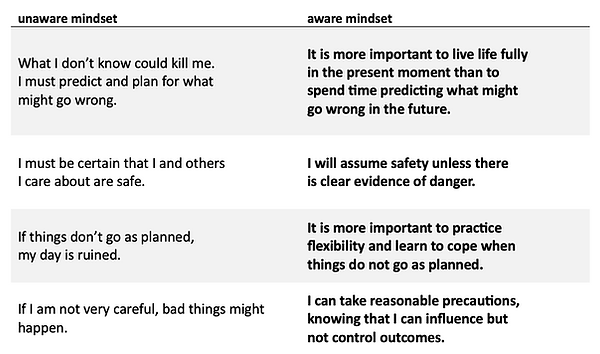
Life is unpredictable. We want to be certain about the outcome of an event, but we can’t. Intolerance of uncertainty results from the belief that uncertainty or ambiguity is a bad thing. Uncertainty by its definition is neither good nor bad, just unknown. However, it’s that unknown that individuals with high anxiety perceive as being negative or threatening. Intolerance of uncertainty is the fuel for the engine of worry. Uncertainty is viewed as negative, stressful, upsetting, and something that should be avoided. If the general state of uncertainty is aversive and threatening, then worry becomes a strategy to mentally plan and prepare for any outcome or engage in safety-seeking behaviors designed to either reduce uncertainty or avoid it altogether.
100% certainty is an impossible principle to achieve.
Worrying only gives you a ‘fake’ sense of certainty and security. You know this to be true -your attempts soothe yourself (“everything will be okay”) may help for some time: a minute, a few hours, a day or so. But the worry will come back, most likely stronger and with more “what if’s”. This perpetuates the anxiety cycle. The way to end it is to accept the truth, we do not know what will happen.
Intolerance of uncertainty behaviors:
-
Seeking excessive reassurance from others: this might be asking friends or family their opinion on a decision that you must make.
-
as a way of eliminating uncertainty, some people will make long and detailed “to do” lists, sometimes several lists every day.
-
Double checking: for example, calling loved ones repeatedly to “make sure” that they are okay, or re-reading emails several times to check that they are perfect and that there are no spelling mistakes.
-
Refusing to delegate tasks to others: many people who are intolerant of uncertainty will not allow anyone either at work or at home to do certain tasks; this is because they cannot be “sure” that it will be done correctly unless they do it.
-
: because being uncertain can cause anxiety, some people simply procrastinate or avoid people, places, or situations. If you do not do something, then you don’t have to feel uncertain.
-
many people who are intolerant of uncertainty keep themselves “busy” most of the day; that way, they don’t have the time to think about all the uncertainty in life.
Challenge your need for certainty by asking:
-
Can I ever really achieve certainty?
-
Do I predict bad things when I’m uncertain? Could good things be just as likely to happen?
-
What is the probability of what I predict happening?
-
How can I help myself in uncertain situations?
Whether or not you identify with a specific diagnosis doesn’t matter here. What’s important is learning how to respond differently to anxious thoughts and feelings. If uncertainty makes you spiral or overthink, this video is for you.